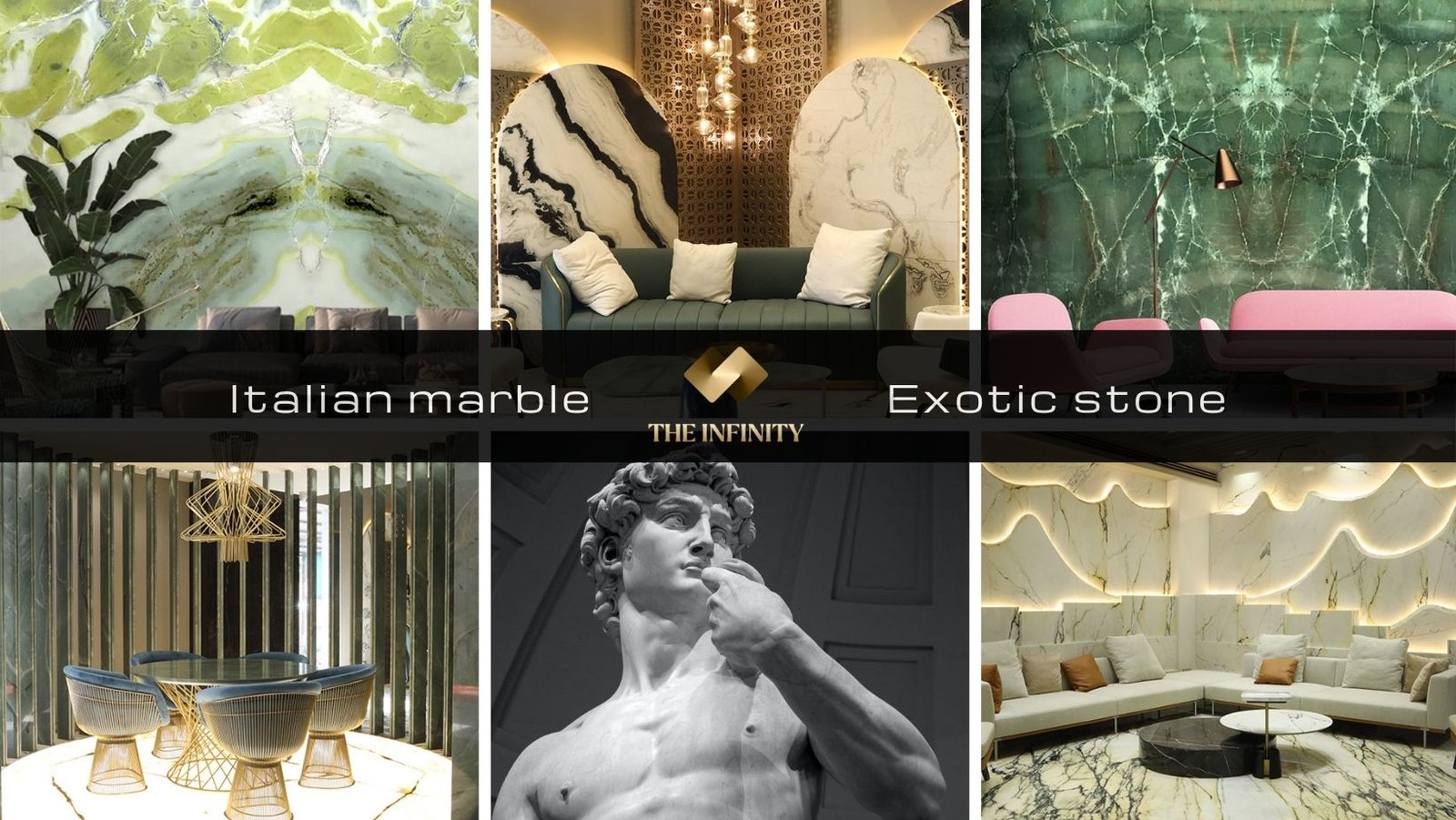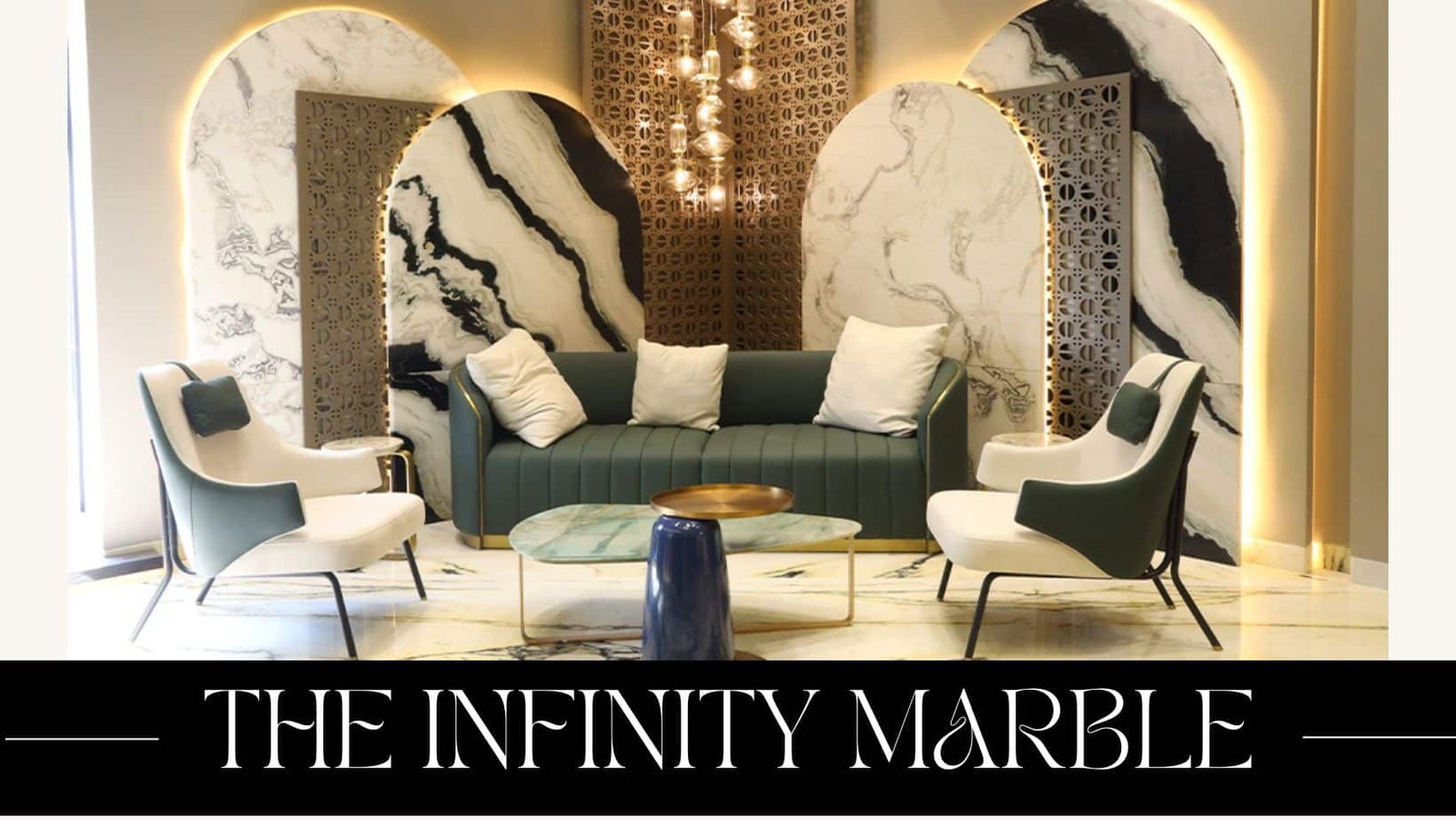
Architecture is not only about walls, dimensions, furniture, and structure. The materials selected for a space can dramatically influence how people experience it. Among the most powerful materials available to architects and interior designers, marble has a unique ability to interact with light, define spatial character, and create visual continuity.
At The Infinity Marble by Bhandari Marble Group, marble is viewed as more than a flooring or wall-covering material. The right marble can become an architectural element that helps control brightness, emphasize proportions, connect different areas, and establish a sophisticated visual identity.
For architects working on luxury residences, villas, hotels, commercial interiors, and premium developments, the choice of marble can make a significant difference. From elegant Statuario Marble in Kishangarh to classic Carrara and dramatic Calacatta Gold, every marble has its own pattern, background tone, movement, and relationship with light.
Marble as an Architectural Tool
Marble is often selected for its beauty, but architects increasingly consider it for its ability to influence the perception of an entire space.
A carefully selected marble surface can:
- Reflect and distribute natural light
- Make interiors feel more open
- Establish visual connections between rooms
- Highlight architectural features
- Create depth on walls and floors
- Guide the eye through a space
- Add contrast without overwhelming the design
- Create a seamless luxury appearance
- Strengthen the identity of a room
This is why marble selection should ideally happen during the architectural and interior planning stage rather than being treated as a final finishing decision.
Using Marble to Control Natural Light
Light is one of the most important elements in architectural design. Marble interacts with natural and artificial illumination differently depending on its background colour, veining, finish, and surface texture.
White Marble for Brighter Interiors
White marble can be particularly effective in spaces where architects want to create a bright, clean, and spacious atmosphere.
Materials such as Thassos White Marble, Pure White Marble, Dover White Marble, Namibia White Marble, and selected varieties of imported white marble can help establish a refined visual base.
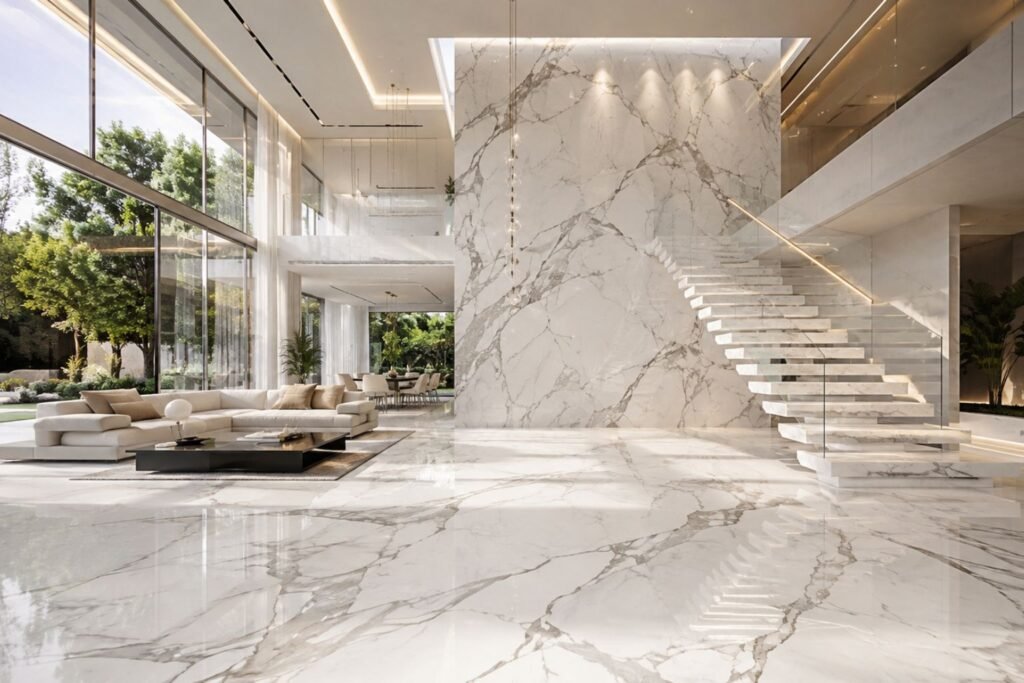
When sunlight enters through large windows or skylights, a polished white marble floor can reflect light across the surrounding space. This can make an interior appear brighter and more expansive.
For luxury homes with large glass openings, white marble can complement daylight while maintaining an elegant and uncluttered appearance.
Statuario Marble: Creating Light with Visual Movement
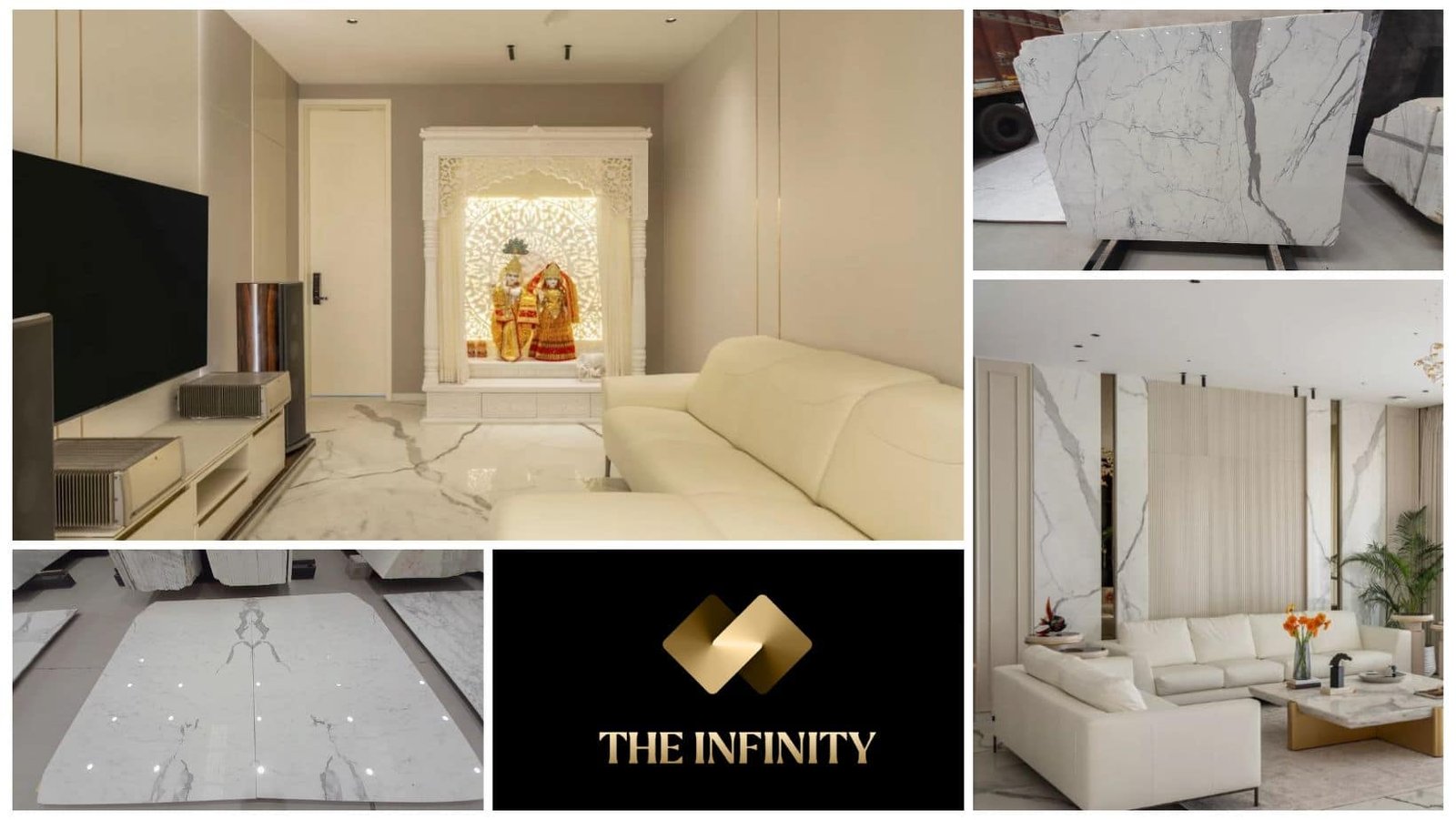
Statuario Marble in Kishangarh is highly valued for its striking white background and distinctive veining. Architects can use this combination to introduce visual movement without relying heavily on additional decorative elements.
A Statuario surface can become an important focal point when used across:
- Living room flooring
- Feature walls
- TV walls
- Staircases
- Entrance spaces
- Luxury bathrooms
- Fireplace surrounds
- Reception areas
The relationship between white background and dramatic veins can create a sophisticated balance between brightness and visual depth.
Instead of adding multiple patterns to a room, an architect can allow the marble itself to provide the visual character.
Creating the Illusion of More Space
One of the most effective architectural applications of marble is creating visual continuity.
When similar or matching marble is extended across connected areas, the floor can appear less interrupted. Fewer visual breaks can make a room feel larger and more connected.
For example, using one carefully selected marble from the entrance through the living area and into adjoining circulation zones can establish a continuous visual field.
This approach works especially well in:
- Luxury apartments
- Large villas
- Modern residences
- Hotel lobbies
- Boutique commercial spaces
- High-end reception areas
Large-format marble installations can further strengthen this effect by reducing the number of visible joints.
Marble and Visual Flow
Visual flow describes the way the eye naturally moves through an architectural space.
Architects can influence this movement through the direction, scale, colour, and placement of marble patterns.
Veining is particularly important.
Instead of randomly placing slabs, designers can study the natural movement within each slab and determine how adjoining pieces should be positioned. Bookmatching, for example, can transform marble into a symmetrical architectural artwork.
A dramatic marble wall can immediately attract attention, while a quieter marble floor can guide the eye toward a staircase, entrance, artwork, or central living area.
This makes marble an active part of spatial storytelling.
Carrara Marble for Refined Architectural Simplicity
Carrara Marble is known for its elegant appearance and subtle veining. Its relatively understated character makes it suitable for architects looking to create sophisticated spaces without excessive visual drama.
Carrara marble can work particularly well in:
- Contemporary bathrooms
- Minimalist living spaces
- Staircases
- Kitchen areas
- Wall cladding
- Hotel interiors
- Elegant residential flooring
Its restrained visual language allows architecture, furniture, lighting, and artwork to coexist without competing for attention.
Volakas Marble for Sophisticated Contrast
Volakas Marble can introduce a distinctive combination of light background and expressive veining.
Architects can use Volakas where they want a brighter foundation while still introducing movement and character.
It can be particularly effective as:
- Feature flooring
- Wall cladding
- Bathroom surfaces
- Entrance flooring
- Staircase applications
- Decorative panels
The key is to coordinate its natural movement with the surrounding architecture.
Michelangelo Marble for Statement Interiors
For projects that require a more expressive marble aesthetic, Michelangelo Marble can become a powerful design element.
Its dramatic appearance can be used strategically rather than throughout every surface.
For example, architects may use statement marble on one major wall while keeping adjacent surfaces simpler. This creates a hierarchy within the room.
The result is a space where the marble becomes a visual destination rather than background decoration.
Calacatta Gold Marble and Luxury Visual Hierarchy
Calacatta Gold Marble is often associated with luxury interiors because of its combination of a light background, expressive veining, and warm golden accents.
Architects and designers can use Calacatta Gold to establish a sophisticated focal point in premium spaces.
It can be particularly striking in:
- Luxury villa entrances
- Grand living rooms
- Feature walls
- Premium hotel lobbies
- Bathroom interiors
- Dining areas
- Statement staircases
The golden movement can also complement metallic architectural details, warm lighting, brass elements, and sophisticated furniture.
Using Marble to Define Different Zones
Open-plan architecture is increasingly popular because it creates flexible and connected spaces. However, open layouts can sometimes lack visual definition.
Marble can help solve this problem without building physical partitions.
A designer can use different marble selections or orientations to subtly distinguish:
- Entrance and living zones
- Dining and lounge areas
- Reception and waiting spaces
- Bathroom sections
- Kitchen and dining areas
This creates zoning through material language rather than walls.
Marble Can Direct Attention
Architectural design often requires certain elements to receive more visual attention than others.
A dramatic marble surface can be positioned where architects want people to naturally look.
For example, a marble feature wall behind a reception desk immediately establishes the character of a commercial space.
Similarly, a bold marble installation behind a staircase can turn a functional circulation element into a major architectural feature.
In residential interiors, the same strategy can be applied to the entrance, living room, pooja space, dining wall, or master bedroom.
The Importance of Marble Finish
The appearance of marble is not determined only by its natural pattern. Surface finish also changes how the material interacts with light.
Polished Marble
Polished marble provides a reflective surface that can enhance brightness and create a luxurious appearance.
It is particularly effective when architects want:
- Strong light reflection
- A glossy luxury aesthetic
- A visually expansive floor
- Greater emphasis on marble colour and veining
Honed Marble
Honed marble offers a softer, more understated appearance. Its lower-reflective character can be useful in designs where architects want elegance without excessive shine.
The choice between polished and honed finishes should depend on the project’s lighting, architectural style, maintenance expectations, and desired atmosphere.
Marble Selection for Double-Height Spaces
Double-height interiors provide an opportunity to use marble vertically.
Instead of limiting marble to the floor, architects can carry a selected stone across a feature wall, staircase, or vertical architectural element.
A carefully planned marble wall in a double-height living room can connect the lower and upper portions of the space visually.
This creates a stronger sense of scale and gives the marble enough architectural breathing room to display its natural movement.
Marble in Luxury Staircases
Staircases are another area where marble can influence visual flow.
Using consistent marble across stair treads, risers, landings, or surrounding walls can create a unified architectural composition.
For dramatic interiors, architects may combine a sophisticated marble staircase with concealed lighting and minimalist railing details.
The result is a staircase that functions not simply as circulation but as a sculptural element within the architecture.
Marble for Feature Walls
Feature walls allow architects to use expressive stone without covering the entire interior.
A carefully selected slab can become a natural artwork.
This is especially effective with visually distinctive materials such as:
- Statuario Marble
- Michelangelo Marble
- Calacatta Gold Marble
- Selected Volakas Marble
- Premium imported white marble
Large uninterrupted surfaces allow natural veining to remain visible and can create a more luxurious appearance than small repeated pieces.
Imported Marble in Kishangarh
Kishangarh has developed into one of India’s most recognized destinations for marble, making it an important location for architects, interior designers, builders, and homeowners looking for premium stone.
The availability of imported marble in Kishangarh provides access to a broad range of colours, patterns, finishes, and international marble styles.
For professionals comparing marble for a luxury project, sourcing from an established marble destination can make it easier to view multiple varieties and compare slabs directly.
At The Infinity Marble by Bhandari Marble Group, the focus is on creating a premium marble experience for customers seeking distinctive natural stones for architectural and interior projects.
White Marble in Kishangarh for Contemporary Architecture
The demand for white marble in Kishangarh continues to be strong because white stone can complement a wide variety of architectural styles.
White marble can work with:
- Modern architecture
- Contemporary villas
- Minimalist interiors
- Classic luxury homes
- Hotel design
- High-end commercial spaces
Its versatility allows architects to create either a warm, sophisticated atmosphere or a crisp contemporary appearance depending on the surrounding materials and lighting.
Choosing Marble According to Architecture
There is no single marble that is perfect for every project.
The right choice depends on several factors:
1. Natural Light
Study where sunlight enters the space and how strong it is throughout the day.
2. Room Size
Large rooms can accommodate stronger patterns, while smaller spaces may benefit from calmer marble.
3. Architectural Style
Minimalist architecture may suit subtle stone, while grand luxury interiors can support dramatic veining.
4. Visual Hierarchy
Determine which surfaces should remain quiet and which should become focal points.
5. Continuity
Consider whether the same marble should connect multiple spaces.
6. Slab Selection
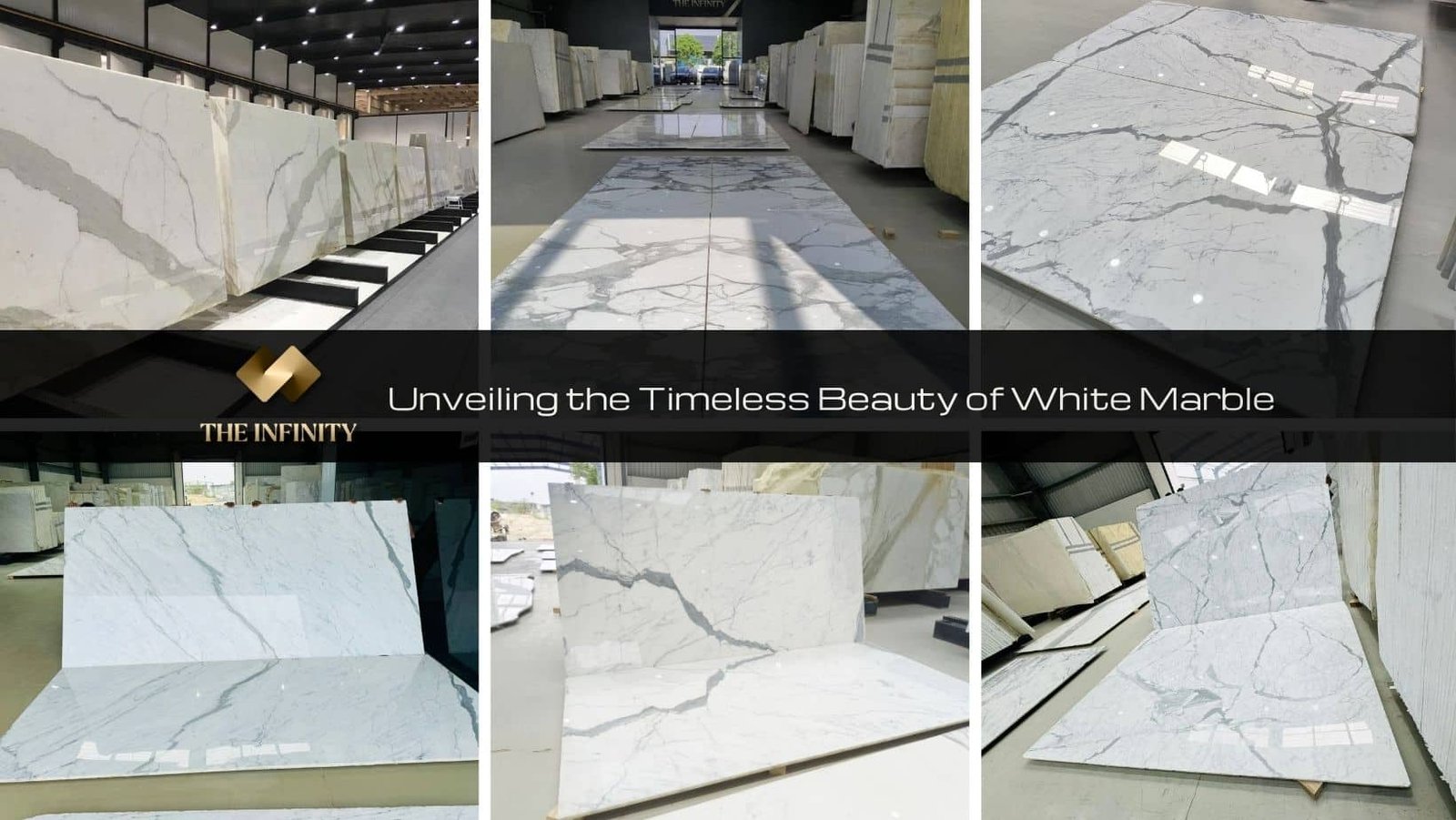
Natural marble varies from slab to slab, so architects should evaluate actual slabs rather than relying only on small samples.
Why Slab Selection Matters
Natural stone is unique. Even two slabs from the same marble variety can display different veining, movement, tone, and character.
For high-end architectural projects, slab selection should therefore be treated as part of the design process.
Architects can study the full slab to determine:
- Vein direction
- Background consistency
- Major patterns
- Colour variation
- Bookmatching possibilities
- Suitable cutting positions
This planning can significantly improve the final visual composition.
The Infinity Marble by Bhandari Marble Group
The Infinity Marble by Bhandari Marble Group represents a premium destination for customers looking for distinctive marble collections in Kishangarh.
The collection can cater to architectural projects requiring different levels of visual expression, from elegant white surfaces to dramatic statement stones.
Popular marble categories include:
- Statuario Marble
- Italian Carrara Marble
- Volakas Marble
- Michelangelo Marble
- Calacatta Gold Marble
- Thassos White Marble
- Dover White Marble
- Namibia White Marble
- Pure White Marble
- Imported Italian Marble
- Premium White Marble
For architects and designers, having access to multiple marble varieties makes it easier to compare materials according to the project’s lighting, scale, colour palette, and architectural concept.
Designing with Marble: Think Beyond Flooring
One of the biggest changes in modern luxury interiors is the shift from viewing marble simply as flooring.
Today, marble can become part of an entire architectural language.
It can move from floor to wall, continue around a staircase, frame an entrance, highlight a reception area, or become a dramatic centrepiece.
When used thoughtfully, marble can connect these elements and create a consistent visual identity.
Final Thoughts
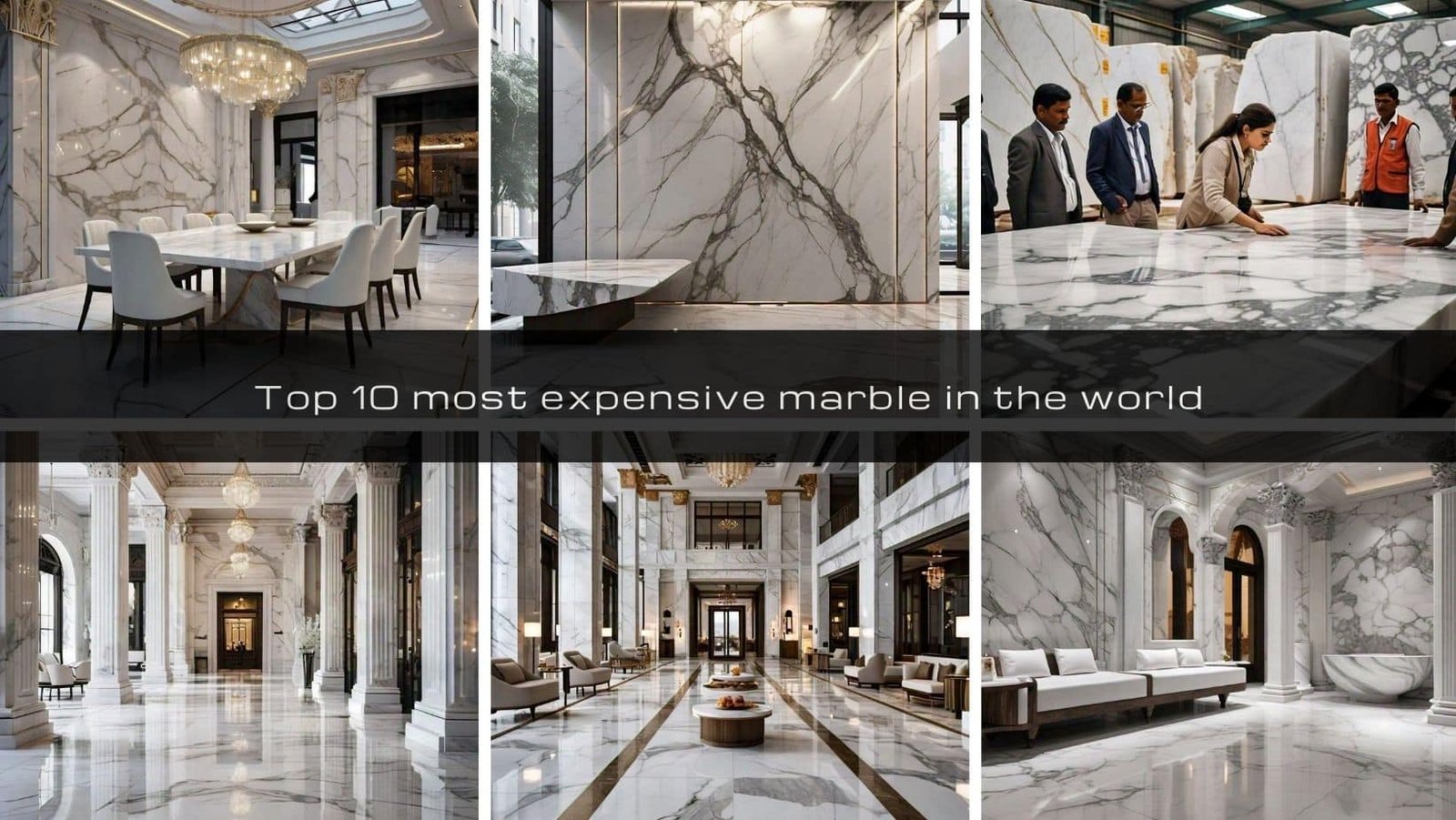
Marble has the ability to influence much more than the appearance of a surface. It can change how light behaves, how large a room feels, where the eye travels, and how architectural elements relate to one another.
From the refined character of Statuario Marble in Kishangarh to the subtle elegance of Carrara, the dramatic personality of Michelangelo, the sophistication of Calacatta Gold, and the clean appearance of premium white marble, every stone offers architects a different design vocabulary.
The most successful marble interiors are not created simply by choosing an expensive stone. They are created by selecting the right stone for the architecture and then planning its placement, direction, finish, lighting, and visual continuity carefully.
For architects, designers, builders, and homeowners exploring Italian marble in Kishangarh, imported marble in Kishangarh, or premium white marble in Kishangarh, The Infinity Marble by Bhandari Marble Group offers an opportunity to explore marble as an architectural material rather than simply a finishing product.
Frequently Asked Questions About Marble and Architectural Design
1. How does marble affect natural light in a room?
Light-coloured and polished marble can reflect incoming light, helping interiors appear brighter and more spacious. The actual effect depends on the marble colour, finish, room orientation, and amount of natural light.
2. Why is Statuario Marble popular for luxury interiors?
Statuario Marble is valued for its bright background and distinctive veining. Architects can use its natural movement to create elegant focal points on floors, walls, staircases, and other architectural surfaces.
3. Is white marble suitable for modern architecture?
Yes. White marble can complement contemporary, minimalist, traditional, and luxury architectural styles. Its neutral appearance provides flexibility when combined with wood, metal, glass, stone, and different lighting designs.
4. What is the difference between Statuario and Carrara Marble?
Both are associated with Italian marble traditions, but their appearance can differ significantly. Statuario is generally chosen for stronger, more prominent veining and a luxurious visual presence, while Carrara is often appreciated for its softer and more understated character.
5. Where can imported marble be found in Kishangarh?
Kishangarh is a major marble marketplace with numerous suppliers and collections offering domestic and imported stones. Customers should compare actual slabs, quality, finish, origin, and suitability for their specific project.
6. Can marble make a small room look bigger?
Light-coloured marble, particularly when installed continuously across connected areas, can help create a stronger sense of openness. Reduced visual interruptions can make a space appear more expansive.
7. Which marble is suitable for a statement wall?
Statuario, Michelangelo, Calacatta Gold, and selected Volakas marbles can work well for statement walls because their natural veining can create strong visual interest.
8. How can architects use marble to create visual flow?
Architects can use consistent marble, directional veining, large slabs, bookmatching, and carefully planned transitions to guide the eye through different areas of a building.
9. Is polished marble better for reflecting light?
Polished marble generally provides greater surface reflectivity than honed marble. However, the best finish depends on the project’s design objectives, lighting, application, maintenance requirements, and desired appearance.
10. Why should architects select actual marble slabs?
Natural marble varies in colour, veining, movement, and pattern. Viewing actual slabs allows architects and designers to plan cutting, matching, bookmatching, and placement more accurately.
11. What marble varieties are available through The Infinity Marble?
The Infinity Marble by Bhandari Marble Group focuses on premium marble collections including Statuario, Carrara, Volakas, Michelangelo, Calacatta Gold, Thassos White, Dover White, Namibia White, Pure White, and other imported marble selections.
12. How can I contact Bhandari Marble Group?
For marble enquiries, collection information, and project requirements, contact Bhandari Marble Group at +9116911 191 or email bhandarimarblegroup@gmail.com.