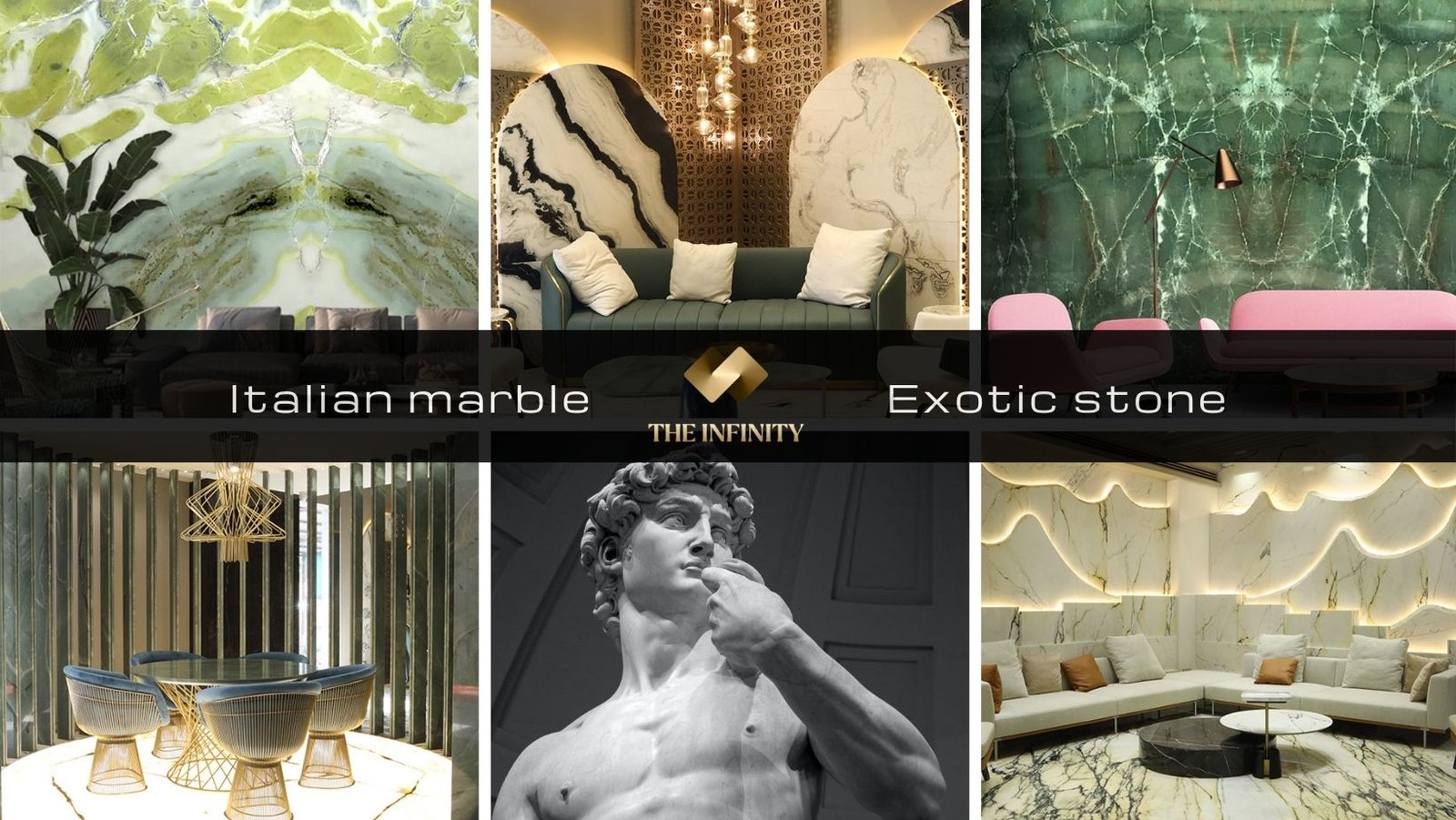
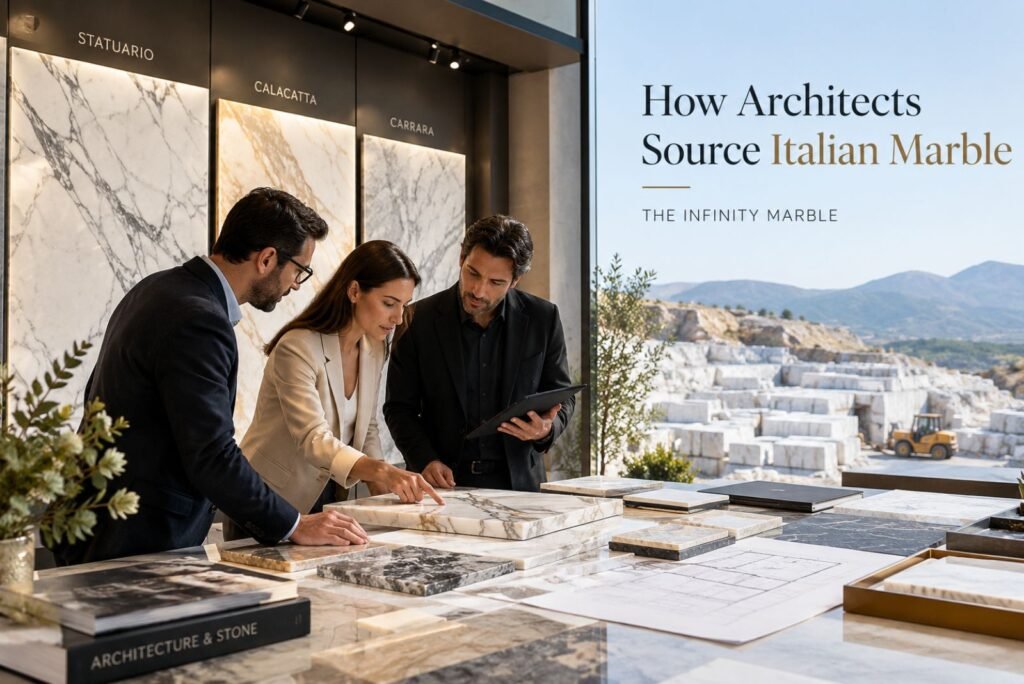
Choosing Italian marble for a luxury project is not simply about finding a beautiful white slab. Architects and interior designers usually evaluate the stone from several angles—visual character, slab availability, vein movement, finish, project quantity, consistency and how well the material will work with the overall design.
For professionals working on villas, hotels, apartments, commercial interiors and high-end residences, the marble selection process often begins much earlier than the installation stage. A well-selected slab can influence the appearance of walls, flooring, staircases, countertops and feature areas throughout the project.
For this reason, sourcing from an experienced natural stone supplier becomes an important part of the design process.
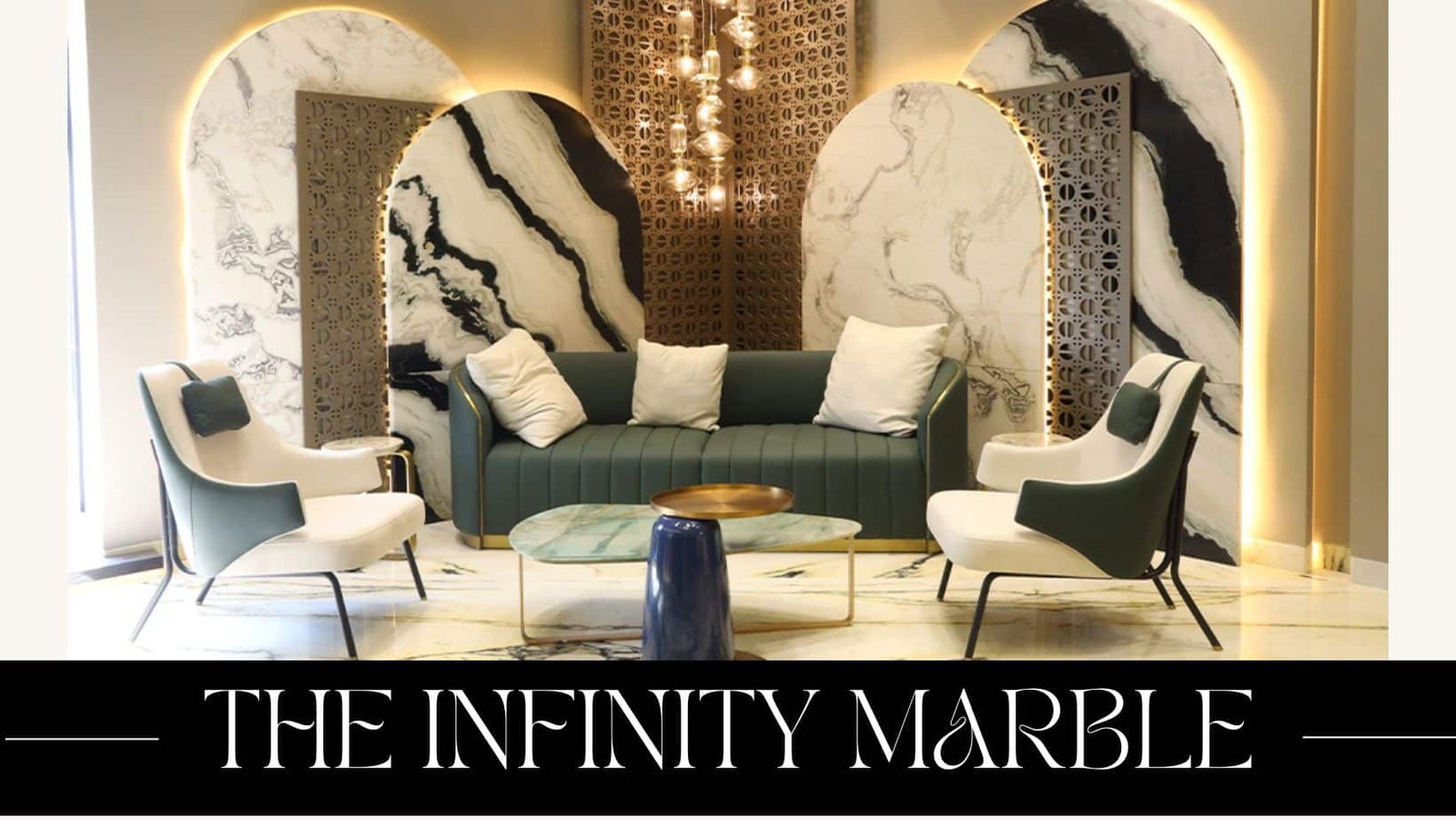
The Infinity Marble by Bhandari Marble Group works with premium natural stones and imported marble for architects, interior designers, builders and homeowners looking for distinctive materials in India.
What Professionals Look for Before Selecting Italian Marble
An architect may already have a colour palette in mind, while an interior designer may be searching for a particular vein pattern or background tone. The right marble has to satisfy both the design requirement and the practical needs of the project.
Before confirming a stone, professionals commonly consider:
- Base colour and overall visual warmth
- Vein direction and intensity
- Slab size and usable surface
- Natural variations between slabs
- Surface finish required for the application
- Quantity needed for the complete project
- Matching possibilities between adjoining slabs
- Availability of the selected material
- Fabrication and installation requirements
- Maintenance expectations
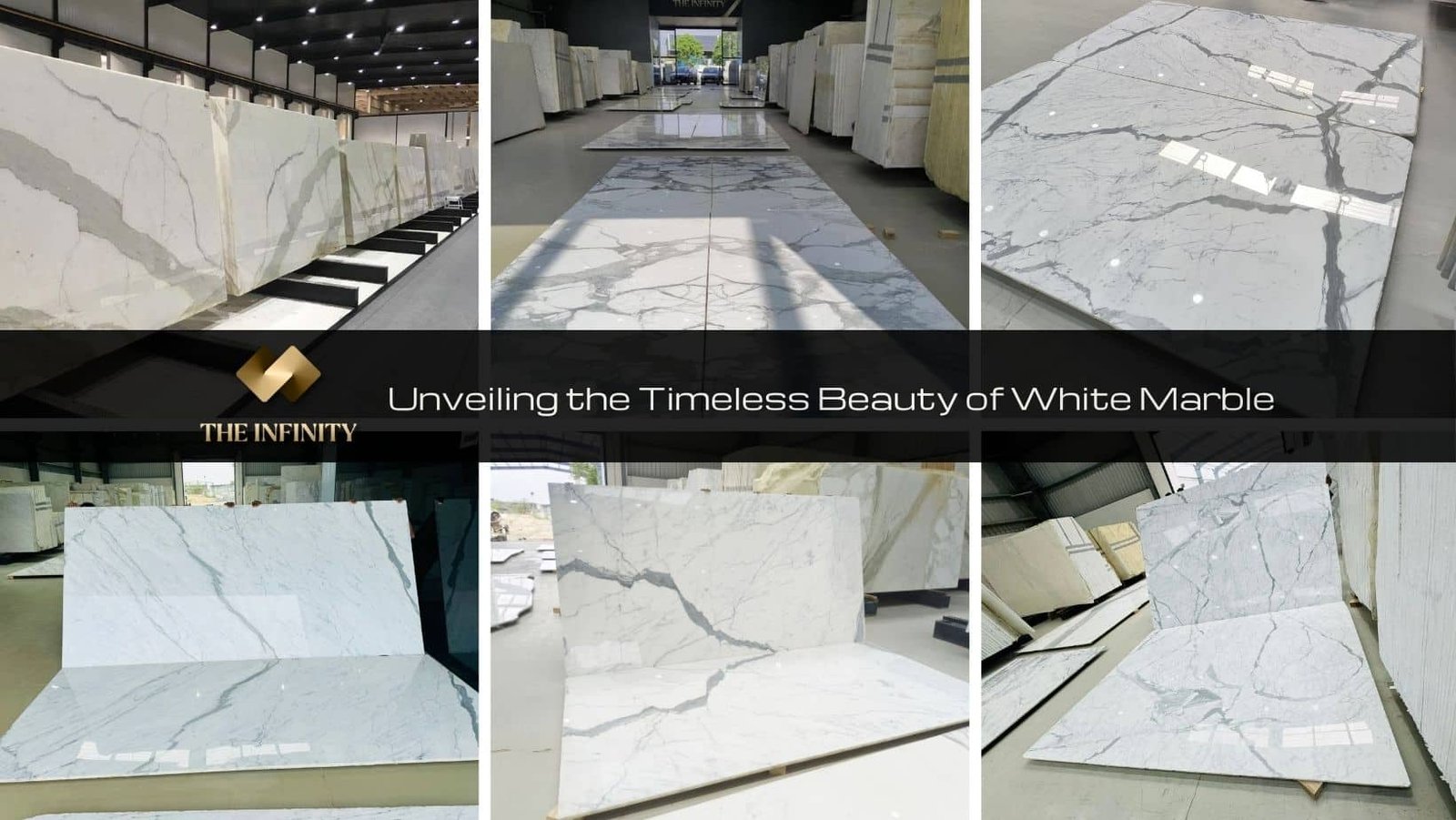
This is why selecting marble directly from photographs can sometimes be limiting. Natural stone is inherently variable, and architects often prefer to inspect actual slabs before making a final decision.
Why Slab Selection Matters So Much
Two slabs of the same marble can look noticeably different. One may have subtle grey movement, while another can feature stronger veining or a different distribution of patterns.
For a large luxury wall, bookmatched feature, staircase or expansive flooring area, this difference becomes particularly important.
Professionals therefore study the slab as a complete visual composition rather than choosing only by the marble name.
They may ask:
Where will the strongest vein sit?
Can two slabs be bookmatched?
Will the pattern remain attractive after cutting?
Does the background work with the furniture and lighting?
These questions help prevent design compromises later.
Popular Marble Choices Considered for Luxury Interiors
Different projects call for different stone personalities. Some spaces need quiet, minimal backgrounds, while others are designed around dramatic natural veining.
Statuario marble is widely considered for premium interiors where a bright background and expressive grey veining are desired. It can work particularly well for feature walls, flooring, bathrooms, staircases and statement areas.
For designers searching for Statuario Marble in Kishangarh, viewing multiple slabs is useful because the natural vein pattern can vary considerably.
Carrara marble is known for its softer appearance and characteristic grey veining. It can suit interiors where designers want an elegant marble look without making the stone the only visual focus.
Volakas marble is another popular option for light-coloured luxury interiors. Its distinctive veining can add movement to walls, flooring and decorative applications.
Michelangelo marble is often considered for projects where designers want a more dramatic natural-stone expression. Its vein structure can become a strong architectural feature when the slabs are selected carefully.
Calacatta Gold marble is recognised for its light background combined with striking veining that can include warm golden tones. It can complement luxury interiors featuring brass, wood, neutral fabrics and contemporary detailing.
For projects requiring a cleaner white visual, Thassos White marble can be considered where a bright and refined appearance is desired.
Dover White marble offers another light-toned option for designers developing contemporary and understated interiors.
Namibia White marble is suitable for projects where the designer is looking for a distinctive white natural-stone appearance and wants to evaluate options beyond conventional marble selections.
Pure white marble is often selected when the design brief calls for a minimal, clean and visually open environment. However, professionals still need to examine the actual slabs because natural stone can have variations in tone and structure.
How Architects Compare Marble Before Finalising It
Experienced professionals rarely compare stones only on price.
They may place several samples or slabs side by side and evaluate them under the project’s expected lighting conditions. A marble that looks slightly different under showroom lighting may create another impression in daylight or warm interior illumination.
A practical comparison can include:
| Selection Factor | Why It Matters |
|---|---|
| Background colour | Determines the overall mood of the space |
| Vein pattern | Influences the visual character of the installation |
| Slab dimensions | Helps reduce unnecessary joints |
| Thickness | Must suit the intended application |
| Finish | Changes reflection and surface appearance |
| Quantity | Ensures consistency across the project |
| Matching | Important for bookmatch and continuous designs |
| Availability | Helps maintain project timelines |
This approach is especially useful for large residential and commercial projects where replacing the selected marble midway through execution can affect both design and cost.
Why Kishangarh Is Important for Marble Sourcing
Kishangarh is one of India’s major marble and natural-stone trading and processing centres. For architects and designers looking for Italian marble in Kishangarh, the region provides access to a broad range of natural-stone selections.
The advantage is not simply variety. Professionals can compare different materials, inspect slabs and discuss project-specific requirements with suppliers before placing an order.
For buyers searching for white marble in Kishangarh or imported marble in Kishangarh, direct slab inspection can be particularly valuable because the appearance of natural stone cannot always be understood from a small sample.
From Design Concept to Marble Slab
The sourcing process usually becomes smoother when the designer shares the project requirements clearly.
For example, instead of simply asking for white marble, an architect might specify:
- Warm or cool white background
- Fine or bold grey veins
- Low or high visual movement
- Matte, honed or polished finish
- Flooring, wall or staircase application
- Approximate slab quantity
- Preferred slab dimensions
- Requirement for bookmatching
This information allows the supplier to suggest materials that are closer to the actual design brief.
How The Infinity Marble Supports Professional Marble Sourcing
The Infinity Marble by Bhandari Marble Group serves architects, interior designers, builders and clients looking for premium marble and natural-stone options.
Its collection includes materials such as Statuario Marble, Carrara Marble, Volakas Marble, Michelangelo Marble, Calacatta Gold Marble, Thassos White Marble, Dover White Marble, Namibia White Marble and Pure White Marble, along with other imported and natural-stone selections.
For professionals, the objective is not simply to purchase marble. It is to identify the right stone for the architectural concept and then maintain consistency through selection, fabrication and installation.
What Architects Should Ask a Marble Supplier
Before confirming an order, it is worth asking a supplier a few straightforward questions:
- Can I inspect the actual slabs before selection?
- Are multiple slabs from the same lot available?
- What is the expected variation between slabs?
- Which finish is suitable for my intended application?
- Can the slabs be matched or bookmatched?
- What slab dimensions are currently available?
- How much additional material should be allowed for cutting?
- Can the supplier help coordinate the quantity required for the project?
These questions can make the sourcing process much more transparent.
Why Natural Variation Should Be Part of the Design
Natural marble is not manufactured to look identical from one slab to another. Veining, mineral movement, small tonal differences and other natural characteristics are part of its identity.
Rather than treating every variation as a problem, designers often use these differences as part of the architectural composition.
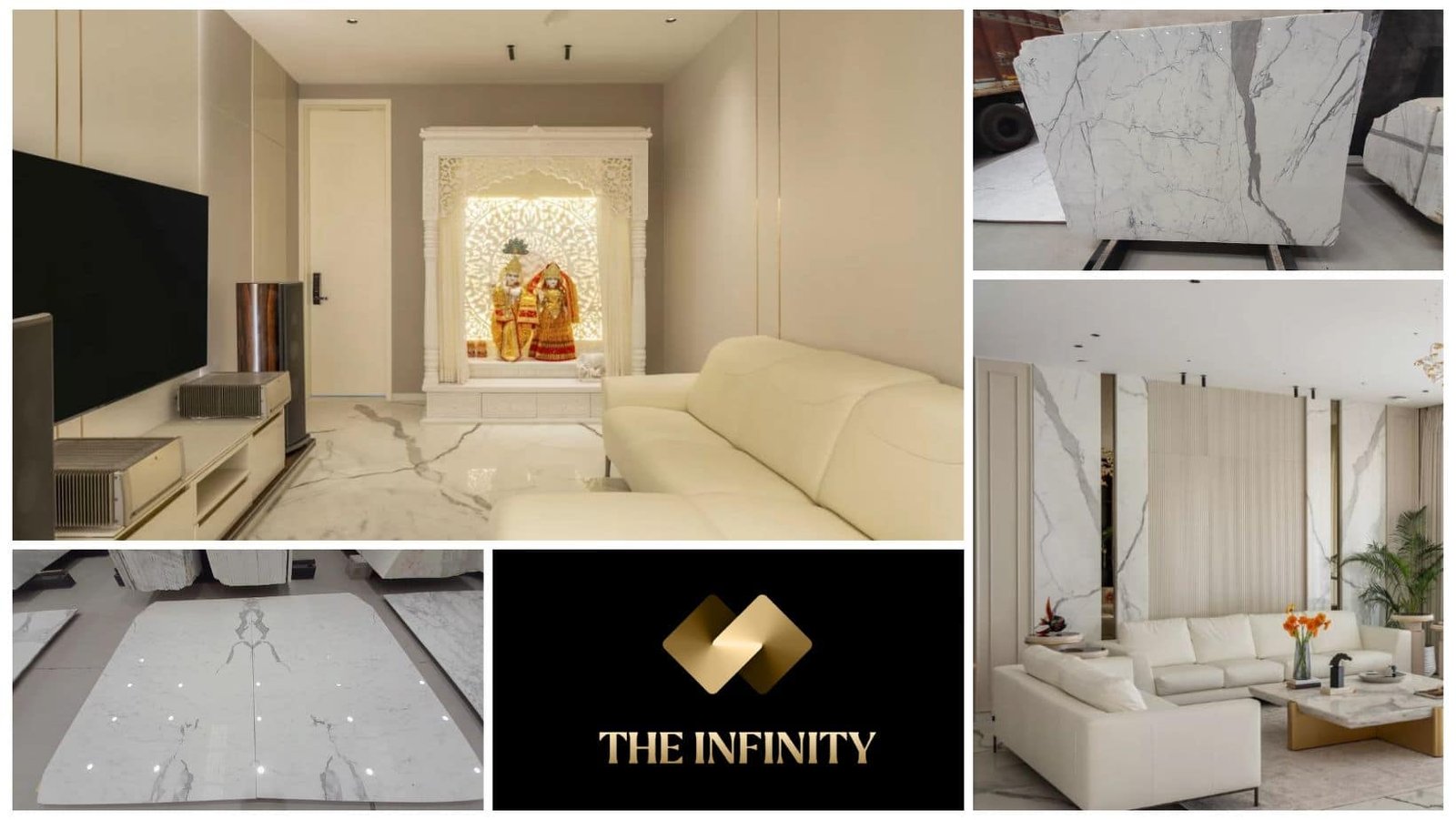
A carefully selected vein can become the focal point of a bathroom wall. A bookmatched pair can create a dramatic entrance feature. A quieter slab can provide balance in a large living area.
The important point is to understand the stone before fabrication begins.
Choosing Italian Marble for Different Applications
The same marble does not necessarily work equally well everywhere.
For example:
Living rooms: Large-format flooring and feature walls may benefit from carefully coordinated slab movement.
Bathrooms: Designers often consider the relationship between wall slabs, flooring, vanity areas and lighting.
Staircases: Vein direction and slab dimensions become especially important because cutting changes how the natural pattern is seen.
Feature walls: Strongly veined marble can be used as an artistic architectural element.
Luxury kitchens: Selection must consider the intended surface application, fabrication requirements and maintenance expectations.
The final choice should therefore follow the function of the space rather than being based only on the popularity of a marble name.
A Better Way to Source Italian Marble in Kishangarh
For architects and interior designers, marble sourcing works best as a collaborative process.
Start with the design vision, identify the required visual characteristics, shortlist suitable stones and then inspect the available slabs. Once the actual material is selected, confirm quantity, cutting requirements, finish and installation details before fabrication.
This process helps connect the designer’s original concept with the natural characteristics of the stone.
For premium projects, The Infinity Marble by Bhandari Marble Group can be considered by professionals looking for Italian marble, imported marble and white marble selections in Kishangarh.
Final Thoughts
Sourcing Italian marble is ultimately about more than choosing an attractive stone. It involves understanding the project’s design language, studying actual slabs, anticipating natural variation and selecting material that will remain visually appropriate after cutting and installation.
Whether the project calls for Statuario Marble in Kishangarh, Carrara Marble, Volakas Marble, Michelangelo Marble, Calacatta Gold Marble, Thassos White Marble or another premium white stone, careful slab selection can make a significant difference to the finished space.
For architects and interior designers, working with an experienced marble supplier can make that process more informed, organised and project-specific.
The Infinity Marble by Bhandari Marble Group
Italian Marble | Imported Marble | White Marble | Natural Stone
Phone: +91 8980000111
Email: bhandarimarblegroup@gmail.com
Frequently Asked Questions
1. Should an architect select marble before finalising the interior colour palette?
Ideally, the two decisions should develop together. Marble has natural colour and movement, so furniture, wall colours, metals and fabrics can be coordinated after understanding the actual stone.
2. How many marble slabs should a designer inspect before choosing one?
There is no fixed number. For an important feature area, comparing several available slabs can help the designer understand variations in background, veins and overall character before making the final selection.
3. Is a small marble sample enough for a luxury project?
A sample is useful for initial shortlisting, but it cannot fully represent a large slab’s vein movement. For prominent applications, viewing the actual slabs is generally more informative.
4. Why do designers discuss bookmatching with marble suppliers?
Bookmatching places two slabs with mirrored vein patterns beside each other. It can create a symmetrical visual effect on feature walls, entrances, bathrooms and other statement areas.
5. Can the same marble look different after polishing?
Yes. Surface finish can influence how colour, reflection and vein contrast are perceived. This is why designers should consider the intended finish while evaluating the stone.
6. What information should I send a marble supplier for a project quotation?
Sharing the application, approximate area, preferred marble, desired finish, slab size preference and project location gives the supplier a clearer basis for discussing material requirements.
7. Is imported marble suitable for every part of a home?
Not necessarily. Suitability depends on the application, expected usage, fabrication method, maintenance requirements and the characteristics of the specific stone. The material should be selected according to where it will be installed.
8. How can I reduce wastage when using heavily veined marble?
Planning the cutting layout before fabrication is important. For visually prominent stones, the designer, fabricator and supplier can coordinate slab orientation and placement to make better use of the natural pattern.
9. What makes white marble difficult to select from photographs?
White marble can show subtle differences in tone and veining that are difficult to judge accurately on a screen. Actual slab inspection gives a much better understanding of its visual character.
10. When should marble be finalised during a construction project?
For major applications, marble should generally be shortlisted early enough to confirm availability, quantities, slab dimensions, fabrication planning and design coordination before installation begins.