When choosing Italian marble for a home, hotel, or commercial property, price is often the first thing buyers compare. But a lower price does not necessarily mean better value, and an expensive slab is not automatically the best choice. The real difference lies in the marble’s natural pattern, colour consistency, surface finish, structural condition, and suitability for the intended space.
For homeowners, architects, and interior designers searching for Imported marble in Kishangarh, understanding these features helps make a more informed decision. The right marble should complement the interior design, meet practical requirements, and deliver the desired appearance for years.
At The Infinity Marble by Bhandari Marble Group, selecting premium marble begins with understanding what makes each variety visually distinctive and suitable for a particular project.
1. Natural Veining Can Matter More Than the Price
The natural veins running through marble give every slab its individual character. Their direction, thickness, contrast, and distribution determine how the stone looks across a floor or feature wall.
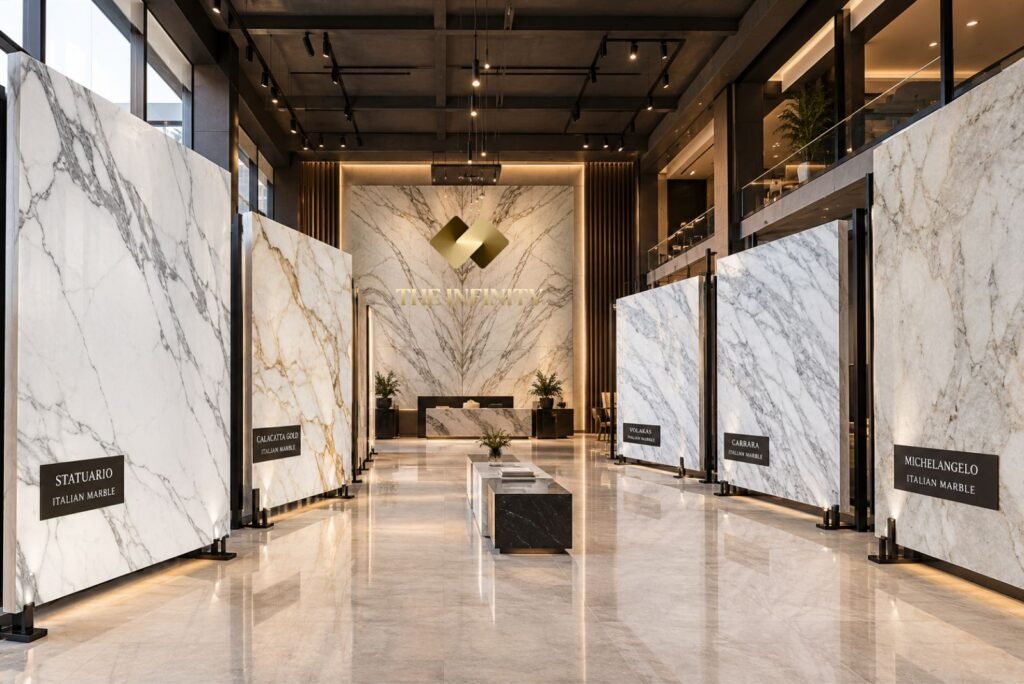
Statuario Marble is admired for its white background and expressive grey veining. Calacatta Gold Marble brings warmth through its characteristic golden and grey patterns, while Carrara Marble generally offers a softer, more understated appearance.
Before making a purchase, consider how the marble’s pattern will work with the room’s furniture, lighting, wall colours, and architectural style. A slab that complements the complete interior may be a better investment than a more expensive option that does not suit the design.
2. Background Whiteness and Colour Consistency
White marble can vary considerably in appearance. Some slabs have a bright white background, while others display warmer undertones or more noticeable grey markings.
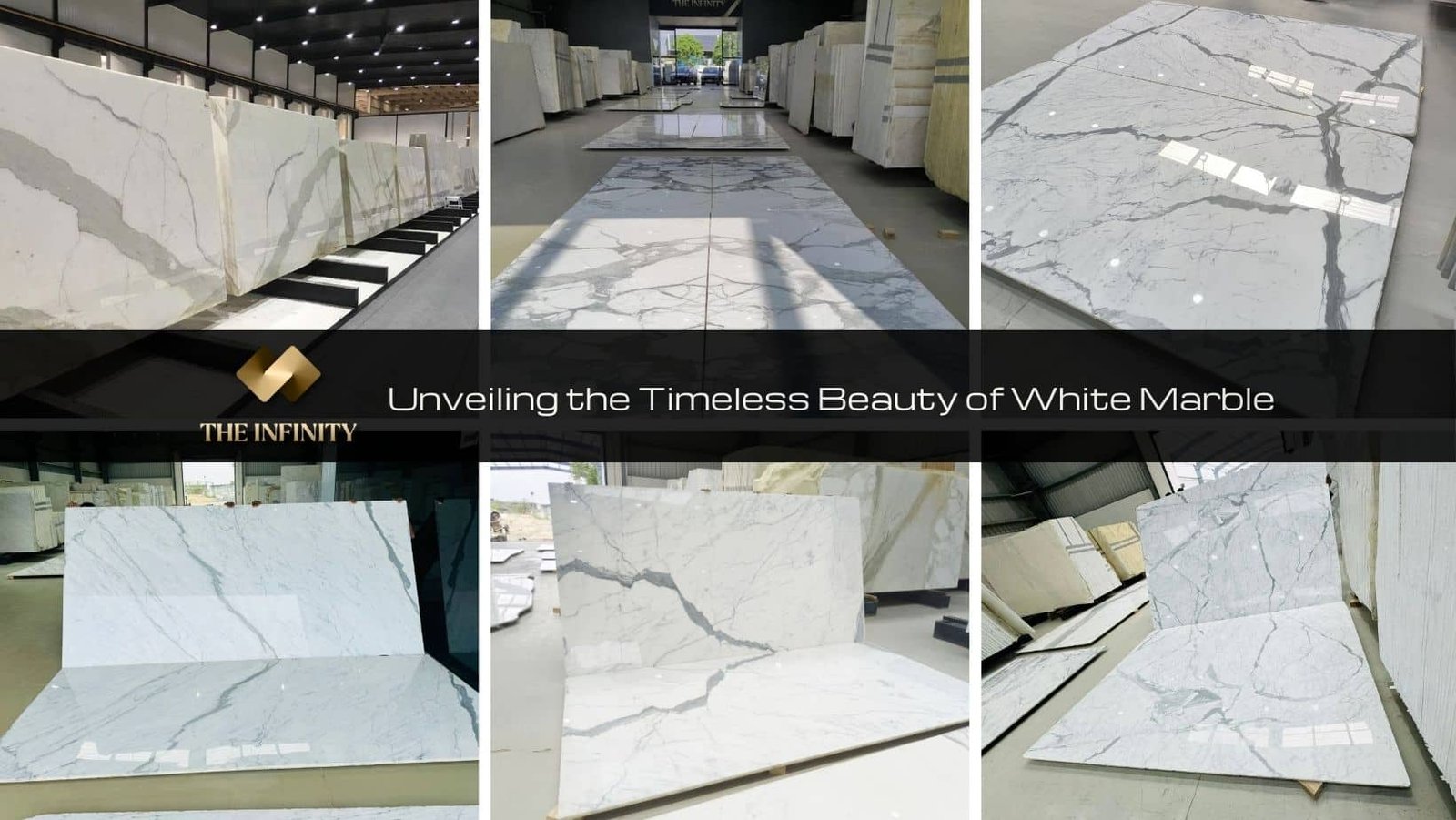
When comparing Statuario Marble in Kishangarh, examine the actual slabs rather than relying only on photographs or sample pieces. Check the background colour, vein distribution, and differences between individual slabs.
This becomes especially important when marble is used across a large living room, staircase, or open-plan floor. Inconsistent selections can make the finished surface look disconnected.
Natural variation is expected in genuine marble. The objective is to select slabs that work together visually rather than expecting every piece to be identical.
3. Surface Finish Should Match the Purpose of the Space
The finish influences both the appearance and everyday usability of marble. A polished surface reflects light and creates a glossy effect, while a honed finish provides a smoother, less reflective appearance.
For formal living rooms and decorative interiors, polished marble may create the desired luxurious look. Certain contemporary designs may benefit from a more subdued finish.
However, bathrooms, entrance areas, and other wet spaces require additional attention to slip resistance. A glossy surface should not be selected without considering the conditions in which it will be used.
The best finish is not necessarily the most expensive one. It is the finish that suits the space, lighting, maintenance expectations, and safety requirements.
4. Slab Quality and Structural Condition
A marble slab can have an attractive pattern but still require careful inspection before purchase. Visible fissures, repairs, surface imperfections, and other natural or processing-related characteristics can influence how the material should be used.
Ask the supplier to explain any noticeable imperfections and confirm whether the selected stone is suitable for the intended application.
For large projects, inspect the actual quantity being purchased. A single attractive sample cannot represent every slab in a collection.
This practical assessment is particularly important when buying imported marble in Kishangarh, where multiple varieties and selections may be available at different price points.
5. Which Italian Marble Variety Suits Your Design?
Different marble varieties create different visual effects. Instead of selecting a name purely for its popularity, compare the actual stone against the design requirements of your property.
Statuario Marble is often selected for its white background and prominent grey veining. It can work beautifully in luxury flooring, statement walls, and sophisticated living spaces where the natural pattern deserves attention.
Carrara Marble typically features a softer white or grey background with relatively subtle veining. It suits interiors where understated elegance is preferred over dramatic contrast.
Calacatta Gold Marble is recognised for its distinctive veining, which may include warm golden tones alongside grey patterns. It can complement interiors featuring cream, beige, brass, and natural wood finishes.
Volakas Marble is appreciated for its white appearance and flowing grey patterns. The individual slab selection is important because the intensity and direction of its veining can influence the finished design.
Michelangelo Marble should be evaluated by examining the actual selection, including its background tone, natural movement, and overall pattern. These details help determine whether it is suitable for a particular architectural or interior concept.
Thassos White Marble is known for its predominantly bright white appearance. It may appeal to buyers seeking a clean, luminous surface, although the suitability of the specific material and finish should always be confirmed.
Dover White Marble may suit projects requiring a softer white palette. Buyers should check the exact material’s appearance, natural markings, and finish before comparing it with other white marble varieties.
The names alone do not establish which marble offers the best value. Actual slab appearance, verified material details, application requirements, and overall project costs should guide the decision.
6. Slab Size and Vein Matching Can Change the Final Result
Marble should be evaluated not only as an individual slab but also as part of the completed installation.
Large slabs may help reduce visible joints in suitable layouts. For feature walls, bookmatching can create a striking symmetrical design by placing two adjacent slabs as mirror images.
These details matter in luxury villas, hotel lobbies, reception areas, and living rooms where marble becomes a central design feature.
Before purchasing, discuss slab dimensions, cutting requirements, vein direction, and the planned layout with the fabricator. A well-selected arrangement can improve the finished appearance and help manage material wastage.
7. Why Marble Selection in Kishangarh Needs Careful Comparison
Kishangarh is an important marble trading and processing centre, offering buyers access to a broad range of natural stone and imported selections.
However, having more options also means that buyers should compare products carefully rather than choosing solely on the basis of a quoted rate.
When visiting a supplier, consider the following:
Inspect the actual slabs available for your project.
Compare background colour and natural veining across the selection.
Confirm the stone’s commercial name and origin.
Check dimensions, finish, and quantity availability.
Ask about cutting, transportation, and installation requirements.
Understand the recommended cleaning and sealing procedures.
Clarify replacement availability if additional material is required later.
For customers looking for white marble in Kishangarh, these checks can help identify a selection that meets both visual expectations and practical requirements.
8. Installation Quality Can Protect Your Investment
Even premium marble can lose its appeal when installation is poorly planned. Uneven bedding, inconsistent joints, careless handling, and unsuitable installation materials can affect the final surface.
Before installation begins, agree on the layout and direction of the veins. For prominent feature walls or bookmatched designs, review the proposed arrangement before cutting the slabs.
The installer should also consider the substrate, material thickness, joint requirements, and conditions of the site.
A good slab deserves careful workmanship. Installation quality is an important part of the overall value of a marble project.
9. Maintenance Requirements Should Influence Your Choice
Natural marble requires appropriate care. As a calcium-based stone, it can be affected by acidic substances, including lemon juice, vinegar, and certain household cleaners. Some varieties may also absorb spills if they are not adequately protected.
For routine maintenance:
Use a pH-neutral cleaner suitable for natural stone.
Wipe spills promptly to reduce the risk of staining.
Avoid acidic cleaners and abrasive products.
Follow professional advice regarding sealing.
Use suitable protective measures in high-traffic areas.
Buyers should consider how much maintenance they are comfortable managing before choosing marble for kitchens, bathrooms, and other frequently used spaces.
The right choice balances the desired appearance with realistic expectations about cleaning, protection, and everyday use.
10. How to Decide Whether the Price Is Worth Paying
A meaningful price comparison should include more than the initial rate per square foot. Consider the material’s appearance, usable quantity, cutting wastage, transportation, installation, and future maintenance.
For example, a marble with an attractive price may require more cutting or may not provide enough matching slabs for the complete project. A different selection might offer better overall value because it suits the planned layout more efficiently.
This does not mean that the most expensive marble is always the right choice. It means that the purchase should be evaluated according to the finished result rather than the quotation alone.
At The Infinity Marble by Bhandari Marble Group, customers exploring Statuario Marble, Carrara Marble, Volakas Marble, Michelangelo Marble, Calacatta Gold Marble, and other imported selections should focus on the characteristics that matter most to their specific project.
The goal is to choose marble that fits the design, meets the practical requirements, and justifies the investment through its appearance and suitability.
Frequently Asked Questions
1. What should I check when viewing marble slabs in person?
Look at the background colour, vein distribution, visible fissures, surface finish, and differences between slabs. If the stone is intended for a large area, review the available quantity together to understand how the pieces will look when installed.
2. Does a marble’s commercial name guarantee its quality?
No. A commercial name helps identify a market selection, but it does not independently establish structural condition, colour consistency, or suitability. Confirm the material details and inspect the actual slabs before finalising the purchase.
3. How do I choose marble that will match my furniture?
Consider the undertones in your furniture, flooring, cabinetry, and wall finishes. Cool grey veining may complement certain modern palettes, while warmer veining can work well with beige, cream, and wood finishes. Comparing physical samples under the intended lighting can help.
4. Is it better to buy all the marble for a project at once?
When possible, securing the required quantity from the same inspected selection can help maintain a more coordinated appearance. Natural marble varies, so confirm availability before installation in case additional slabs are needed later.
5. What causes marble flooring to look different from the showroom sample?
The installed appearance can change because of lighting, slab orientation, the number of visible joints, polishing quality, and natural variation between pieces. Reviewing the actual slabs and discussing the layout beforehand can reduce unexpected differences.
6. Can marble be used in areas exposed to moisture?
Some marble installations are suitable for moisture-prone spaces when the stone, finish, waterproofing, and installation system are selected appropriately. Slip resistance and maintenance also matter. Confirm suitability with a qualified installer before using marble in showers or other wet areas.
7. How should I compare two marble quotations fairly?
Check whether both quotations cover the same material selection, dimensions, finish, quantity, transport, and other applicable costs. Compare the actual slabs and terms rather than assuming that two products with similar commercial names are identical.
8. Is bookmatched marble worth the additional expense?
Bookmatching can create a distinctive feature wall or focal point when the natural veining forms an attractive mirrored pattern. Its value depends on the design, slab selection, cutting requirements, and installation budget. Review the proposed arrangement before committing to the additional work.
9. What information should an architect confirm before specifying Italian marble?
Confirm the intended application, material selection, dimensions, finish, availability, installation method, maintenance requirements, and acceptance criteria for natural variation. These details help align the specification with the client’s design expectations and project conditions.
Choose Italian Marble with Confidence at The Infinity Marble
For homeowners, architects, and interior designers searching for Italian marble in Kishangarh, The Infinity Marble by Bhandari Marble Group offers a point of contact for discussing marble selections and project requirements.
Whether you are considering Statuario Marble in Kishangarh, Calacatta Gold Marble, Carrara Marble, Volakas Marble, Michelangelo Marble, Thassos White Marble, or Dover White Marble, give equal attention to the actual material, its intended use, and the complete installation plan.
Genuine 5-star customer reviews can also provide useful insight into a supplier’s service experience, communication, and product selection process. Read individual reviews carefully and consider feedback relevant to your own requirements.
Contact The Infinity Marble by Bhandari Marble Group
Phone: +91 8980000111
The most valuable marble is not simply the one with the highest price. It is the one whose natural beauty, quality, finish, and practical characteristics make sense for the space it will become part of.